
Tarjetas de crédito y descubiertos
¿Qué son las tarjetas de crédito?
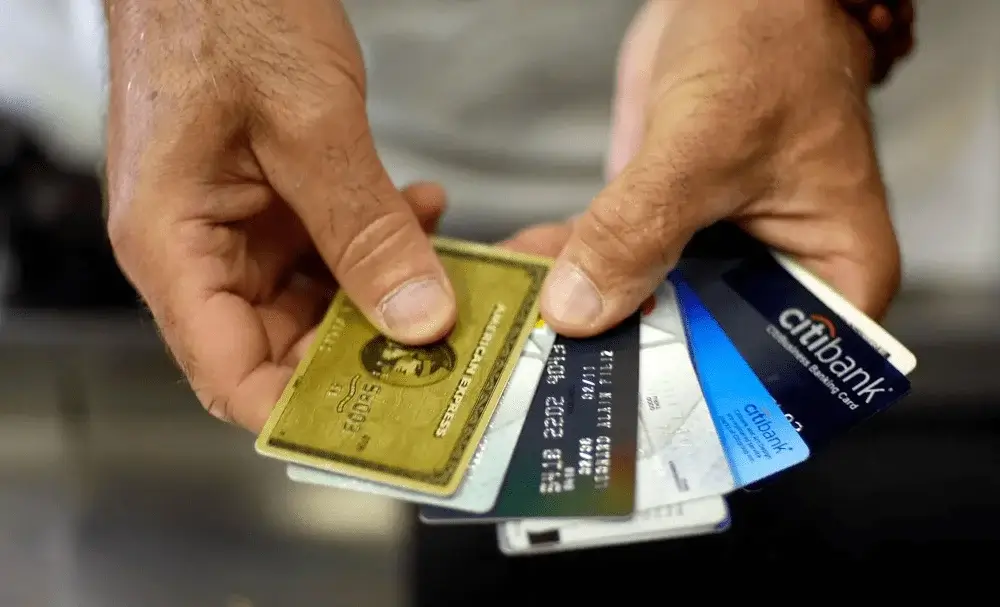
Una tarjeta de crédito es una herramienta de pago que te permite gastar dinero prestado por un banco en lugar de tus propios fondos. Cada tarjeta tiene un límite de crédito predeterminado, que representa la cantidad máxima disponible para usar según el contrato con el banco. Cuando saldas tu deuda de manera responsable y puntual, el banco puede optar por aumentar este límite.
Cabe recordar que una tarjeta de crédito no está diseñada para guardar ahorros personales: el dinero que gastas procede íntegramente de fondos prestados por el banco, no de tus propios depósitos.
¿Qué son los descubiertos?
Aunque el concepto es similar, el descubierto (overdraft) funciona a través de tu cuenta de tarjeta de débito. Brinda la flexibilidad de seguir realizando pagos aunque tu saldo llegue a cero, lo que básicamente te permite acceder de forma temporal a los fondos del banco. Este préstamo a corto plazo actúa como una pequeña línea de crédito vinculada a tu cuenta corriente, cubriendo automáticamente las transacciones cuando tu dinero se agota.
Comparación clave: Tarjeta de crédito vs. Tarjeta de débito con descubierto
| Característica
|
Tarjeta de crédito
|
Tarjeta de débito con descubierto
|
| Fondos del titula
|
N/A | Se muestran el límite disponible y los fondos del cliente; a veces pueden sumarse |
| Reembolso del préstamo
|
Importe mensual fijo | Al ingresar dinero en la cuenta, primero se paga la deuda y luego el dinero se acredita a la cuenta de débito |
| Retirada de efectivo | El banco cobra intereses | Misma tasa que con los fondos propios
|
| Ventajas principales | 1. Período de gracia para el reembolso.
2. Los ingresos regulares, como el salario, no se pueden debitar completamente para pagar la deuda, ya que se acreditan en una cuenta separada.
|
1. Retiro de efectivo sin intereses.
2. No es necesario comprobar que haya fondos suficientes para una compra. 3. Cuota de mantenimiento para una sola tarjeta.
|
Breve historia de la tarjeta de crédito
Según una leyenda popular, los fundadores de Diners Club inventaron la tarjeta de crédito. La historia cuenta que una noche, un grupo de amigos adinerados estaba cenando en un restaurante. Uno de ellos, Frank McNamara, se dio cuenta de que se había olvidado la cartera y tuvo que llamar a su mujer para que le llevara dinero. Avergonzado por la situación, concibió la idea de una tarjeta de pago universal, que sería más segura y cómoda que llevar dinero en efectivo.
Un año después, McNamara y sus socios fundaron Diners Club, emitiendo tarjetas que podían usarse en los restaurantes asociados. Cada mes, los titulares de las tarjetas recibían una factura que debía pagarse en un plazo de dos semanas. El comerciante, y no el cliente, pagaba una comisión del 5–7 % por transacción, ya que aceptar la tarjeta generaba un aumento en las ventas. Los titulares de las tarjetas pagaban 5 dólares anuales por pertenecer al club.
Tipos y características de las tarjetas de crédito
Las tarjetas de crédito pueden clasificarse según varios criterios:
- Diseño
- Tarjetas con banda magnética estándar: el tipo más antiguo, actualmente en desuso.
- Tarjetas con chip: almacenan los datos de las transacciones de forma segura y ofrecen mayor protección; han ido reemplazando progresivamente a las tarjetas magnéticas.
- Capacidades
- Tarjetas estándar: ofrecen servicios básicos como pagos y retiradas de efectivo;
tienen tarifas de mantenimiento bajas. - Tarjetas Gold y Platinum: otorgan beneficios premium, como cobertura de seguros,
Servicios de asistencia personal y atención bancaria prioritaria, pero con tarifas anuales más altas. - Sistema de pago
- Visa: ampliamente aceptada en los Estados Unidos y América Latina.
- Mastercard: utilizada principalmente en los países de la Unión Europea.
- MIR: sistema ruso válido en Armenia, Bielorrusia, Kazajistán, Turquía y otros países de la UEEA.
- Tarjetas de doble marca: combinan un sistema de pago local y otro internacional.
- Elementos comunes
- Un número de 16 dígitos (diferente al número de cuenta)
- Fecha de vencimiento
- Código de seguridad (CVC o CVV)
- Logotipo del sistema de pago
- Un campo para la firma del titular
Todas las tarjetas de crédito incluyen normalmente:
Una tarjeta sin firma no es válida, y el logotipo del sistema de pago determina en qué países puede utilizarse. Estos datos (número, fecha de vencimiento y código de seguridad) son esenciales para las transacciones en línea.
Cómo elegir la tarjeta de crédito adecuada
A la hora de elegir tarjeta de crédito, presta atención a los siguientes factores:
Período de gracia
- Es el periodo durante el cual puedes devolver el dinero prestado sin pagar intereses.
- Cuanto más largo sea, más fácil será evitar cargos adicionales.
Tasa de interés
- Si no pagas dentro del período de gracia, se aplican intereses.
- Elige la tasa más baja posible, ya que es difícil predecir si podrás pagar a tiempo.
Límite de crédito
- Para compras cotidianas, un límite modesto suele ser suficiente.
- Un límite alto solo es útil para compras grandes o poco frecuentes.
Cuota anual de servicio
- Es importante tenerla en cuenta si no tienes pensado usar la tarjeta con frecuencia.
Ofertas de reembolso (Cashback)
- Comprueba tanto el porcentaje de devolución como la lista de tiendas asociadas.
- Ten en cuenta que algunos comercios aumentan los precios, lo que anula los beneficios del reembolso, especialmente si las tarifas del servicio son altas.
En resumen, no existe una tarjeta de crédito perfecta que cumpla con todas las condiciones. Los bancos ajustan adrede las ventajas y desventajas, reduciendo ciertos beneficios y aumentando otros. La clave está en determinar qué características son más importantes para ti y qué compromisos puedes aceptar.
Uso responsable de la tarjeta de crédito: recomendaciones
- Activa las notificaciones por SMS o en la aplicación para controlar tu saldo y tus transacciones. Esto ayuda a detectar actividades sospechosas de inmediato.
- Nunca escribas ni guardes tu PIN o contraseñas en tu cartera. Los ladrones podrían usar esa información para vaciar tu cuenta.
- Nunca compartas tu PIN ni tus códigos de seguridad con nadie que diga ser del banco; los empleados reales nunca solicitan esos datos.
- No prestes tu tarjeta a otras personas. Las tarjetas modernas usan pago sin contacto, lo que permite hacer compras sin introducir el PIN. Si alguien conoce tu número de tarjeta, fecha de vencimiento y CVV, puede comprar por internet incluso sin tener la tarjeta físicamente.
- Evita retirar efectivo a menos que sea necesario: normalmente genera intereses más altos que las compras comunes.
- Usa tarjetas con reembolso (cashback) para recuperar un pequeño porcentaje de tus gastos.
- Intenta no superar el 30 % de tu límite de crédito.
1. Las deudas menores son más fáciles de pagar
2. Un menor uso mejora tu historial crediticio, lo que puede aumentar tu límite más adelante.
- Si no puedes pagar a tiempo (por ejemplo, por enfermedad), contacta con tu banco de inmediato. Muchos bancos están dispuestos a posponer o eliminar penalizaciones si se les informa con antelación.
- Usa el crédito solo cuando sea necesario, para evitar endeudamientos innecesarios.
- Paga más del mínimo requerido: abonar un poco más ayuda a reducir los intereses y liquidar la deuda antes.
Reflexión final
Tanto las tarjetas de crédito como los descubiertos son herramientas financieras útiles, pero requieren disciplina y responsabilidad.
Si las usas con prudencia, te pueden ayudar a gestionar gastos, construir un historial crediticio y brindar seguridad en caso de emergencia. Sin embargo, un uso descuidado puede conducir fácilmente al endeudamiento y a dificultades financieras.